Programs
1.Envrionmental Education & Capacity Building
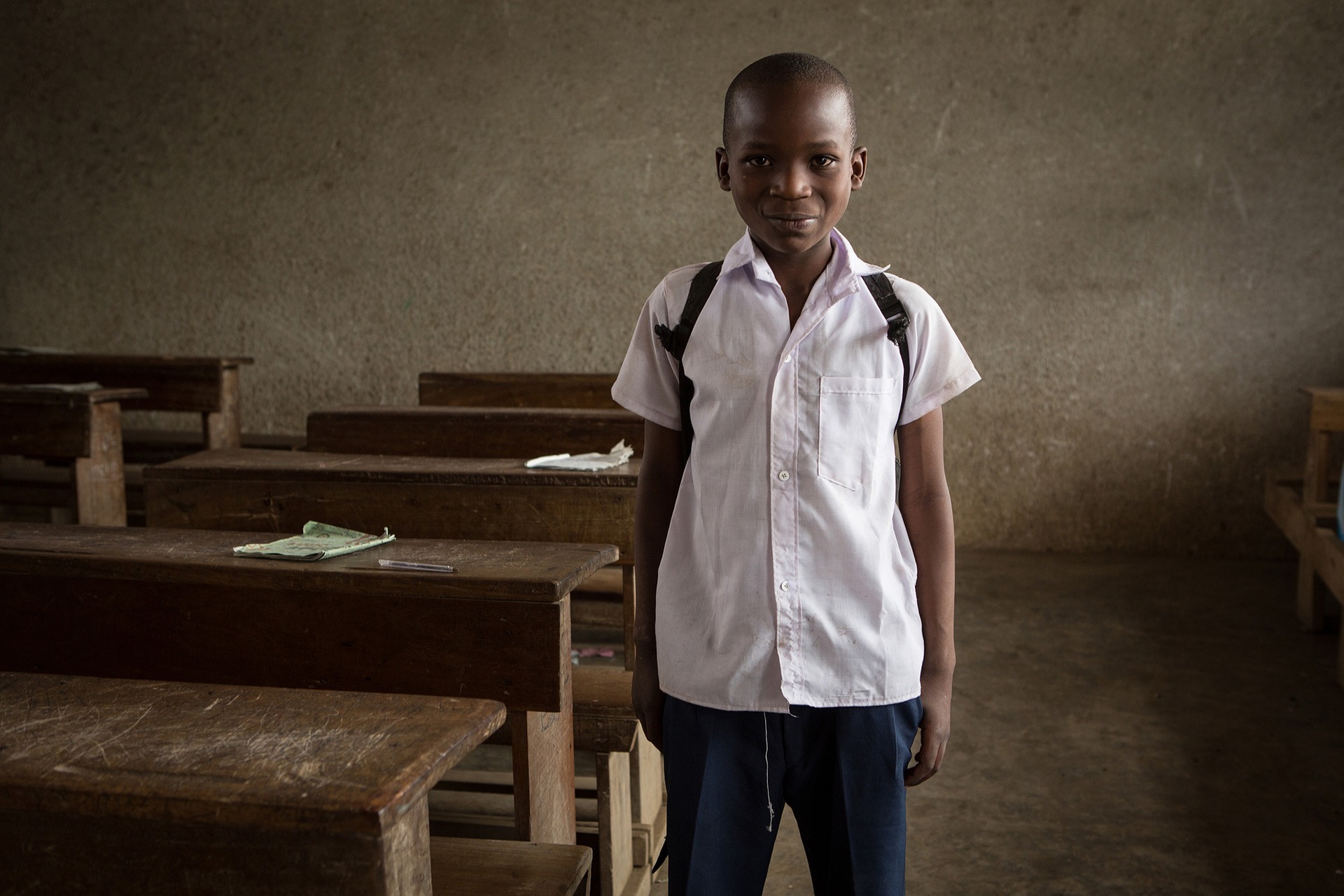
- Develop and deliver structured environmental education programs for schools, colleges, and communities.
- Equip learners and educators with practical skills in climate action, environmental stewardship, and sustainability.
- Integrate hands‑on learning models (e.g., school gardens, waste audits, field demonstrations) into all training programs.
- Strengthen institutional capacity by training teachers, youth leaders, and community facilitators.
2.Sustainable Agriculture & Soil Conservation
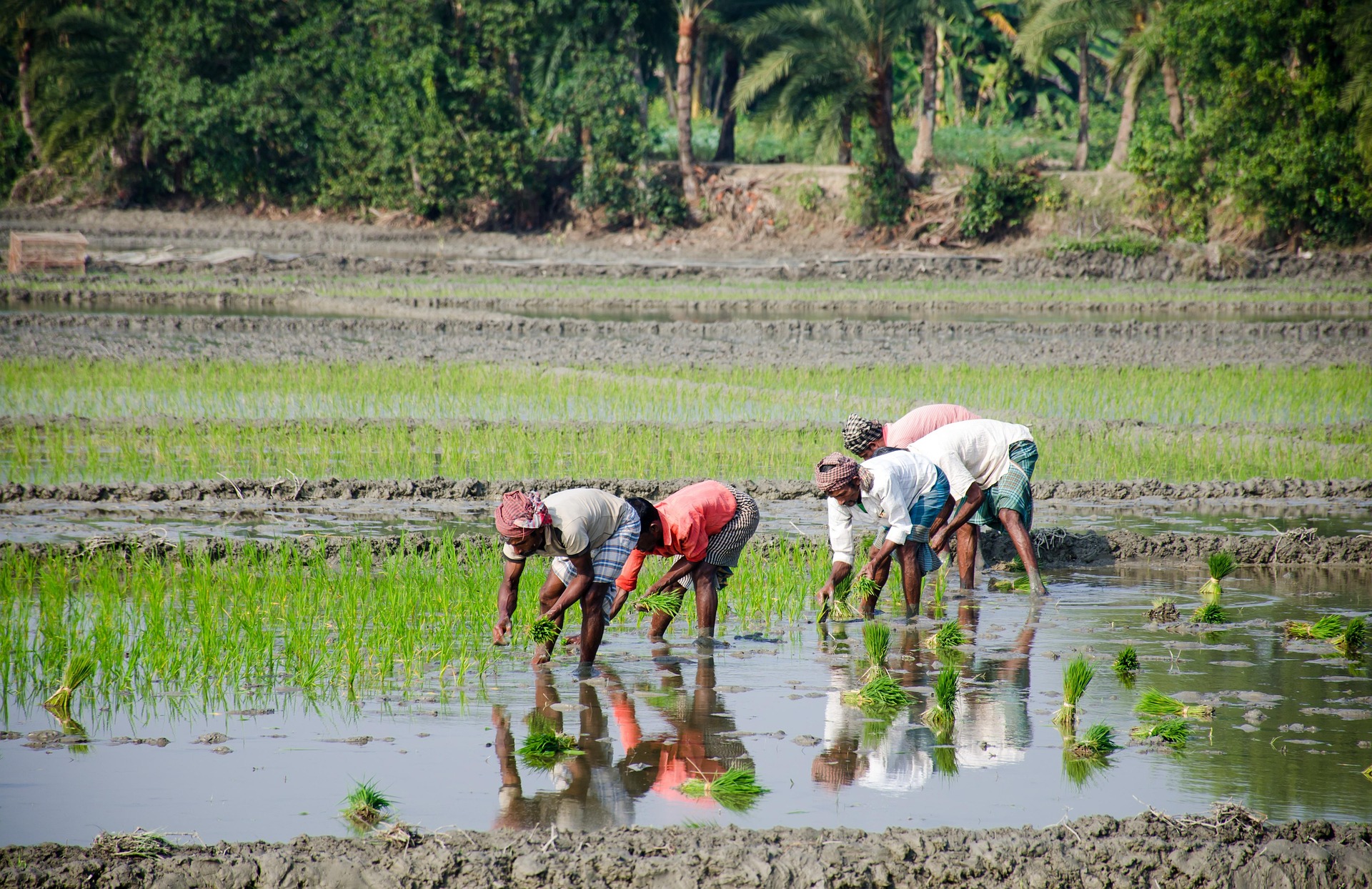
- Promote climate‑smart agricultural practices that enhance soil health and improve local food production.
- Establish demonstration gardens, orchards, and regenerative farming sites in learning institutions and communities.
- Build learner and community capacity in composting, water conservation, agroecology, and biodiversity protection.
- Collaborate with agricultural experts and local farmers to scale context‑appropriate sustainable farming models.
3. Waste Management & Circular Economy Practices
- Implement school and community-based waste reduction, recycling, and upcycling programs.
- Strengthen learners’ capacity to conduct waste audits and develop action plans for cleaner environments.
- Promote circular economy initiatives that transform waste into useful resources.
- Partner with local waste stakeholders to improve environmental sanitation and reduce pollution.
4. Community Engagement & Youth Leadership
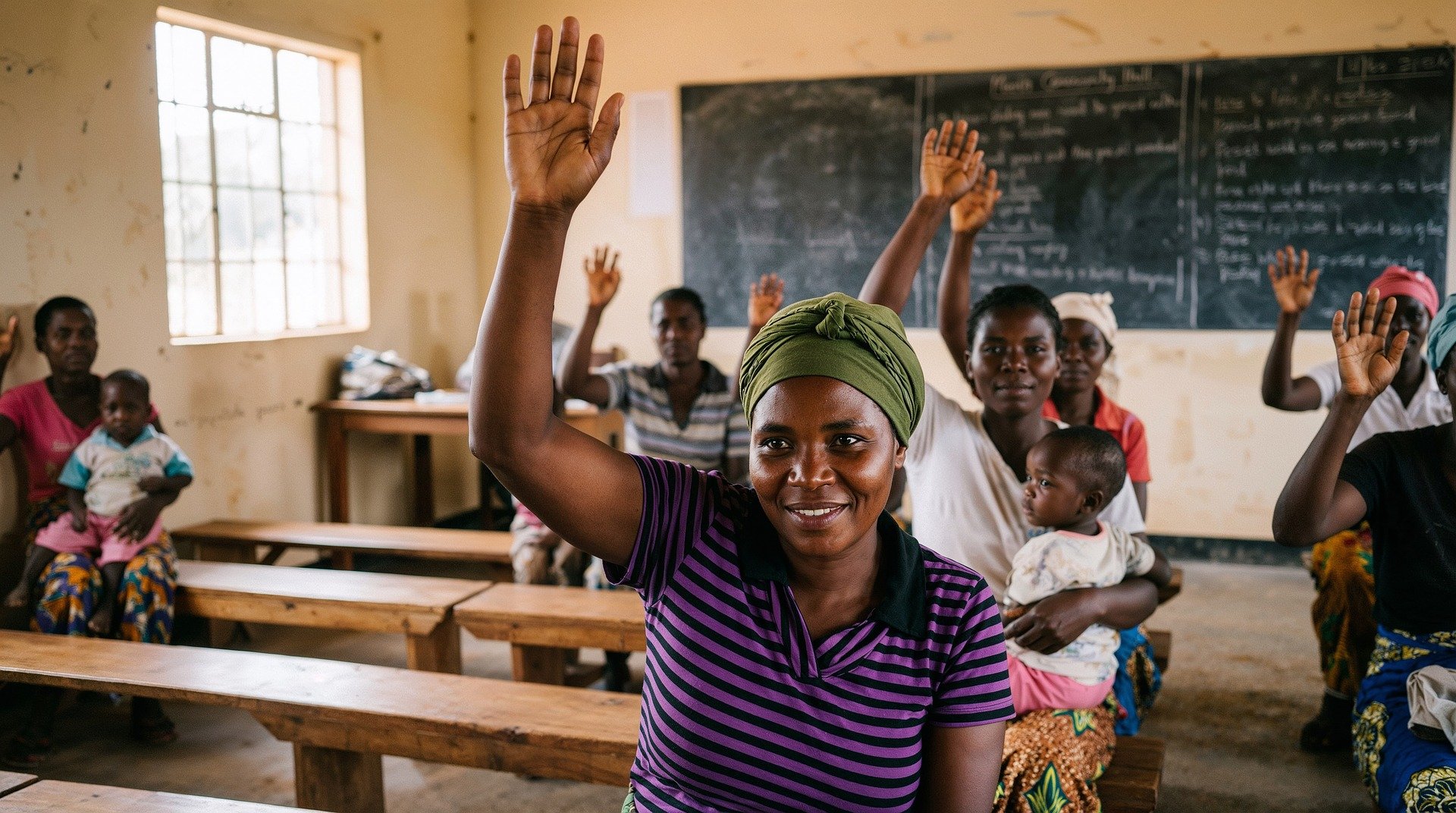
- Empower youth and community groups to design and lead environmental initiatives and campaigns.
- Establish eco‑clubs, student councils, and community green teams to sustain environmental action.
- Facilitate inter‑school, inter‑college, and community collaborations to amplify impact.
- Promote inclusive participation, especially among marginalized groups and local grassroots leaders.
5. Partnership & Stakeholder Collaboration
- Build strategic partnerships with schools, colleges, government agencies, NGOs, and development partners.
- Strengthen community ownership of projects through participatory planning and shared leadership.
- Mobilize resources and support to scale high‑impact environmental initiatives.
- Align programs with national policies, county development plans, and global climate goals.
6. Innovation, Research & Evidence Based Practice
- Conduct research and environmental assessments to guide program design and measure impact.
- Promote innovative tools, methods, and technologies that support sustainable environmental practices.
- Document and disseminate evidence, success stories, and lessons learned to support learning and advocacy.
- Use monitoring and evaluation frameworks to ensure accountability and continuous improvement.